

Peptides: The Skin’s Language of Renewal

How Holistic Skincare, Facials, and Nutrition Support Healthy Aging
Peptides have become a buzzword in the beauty and wellness world, but their true role is often misunderstood. At Belliard’s, we believe education should feel empowering, not overwhelming. Understanding how peptides support the skin allows us to care for it more intentionally, honoring the body’s natural wisdom rather than trying to override it. When supported properly, the skin knows exactly what to do.

What Are Peptides — and Why Do They Matter?
Peptides are short chains of amino acids, the building blocks of essential proteins such as collagen, elastin, and keratin. Rather than acting as fillers or surface-level solutions, peptides function as messengers. They communicate with skin cells, signaling processes such as:
Repair and renewal
Collagen support
Improved elasticity
Strengthened skin barrier
Think of peptides as the skin’s internal language, guiding it on how to respond, restore, and maintain balance.
Why Peptides Decline With Age
As we age, the body naturally produces fewer peptides. This slowdown contributes to many visible skin changes, including:
Loss of firmness and elasticity
Fine lines and wrinkles
Slower cell turnover
Dull or fatigued appearance
The skin isn’t “failing” — it’s simply receiving fewer renewal signals. The goal of holistic skincare is to support communication, not force correction.
How Peptides Support Skin Health
Peptides play a key role in maintaining youthful, resilient skin by encouraging healthy skin function.
Benefits of Peptides for the Skin
Peptides offer numerous benefits for skin health, including:
Improved skin texture through enhanced repair
Smoother appearance by supporting collagen pathways
Hydration support through barrier reinforcement
Protection from environmental stressors
When the skin’s barrier is strong, it retains moisture more effectively and becomes less reactive, resulting in a calmer, healthier complexion.
Supporting Peptides From Within
While peptides themselves are not absorbed directly from food, the body uses amino acids from protein-rich nutrition to create its own peptides naturally. A balanced diet helps provide the building blocks the skin needs to function optimally.
Foods That Support Peptide Production
Incorporating certain foods into your diet can support peptide production. These include:
Wild-caught fish
Organic poultry and eggs
Bone broth
Lentils, quinoa, and legumes
Pumpkin and hemp seeds
Nutrients such as vitamin C, zinc, copper, and magnesium help activate these processes and support skin structure from within. This inside-out approach complements professional skincare beautifully.
Peptides + Facials at Belliard’s

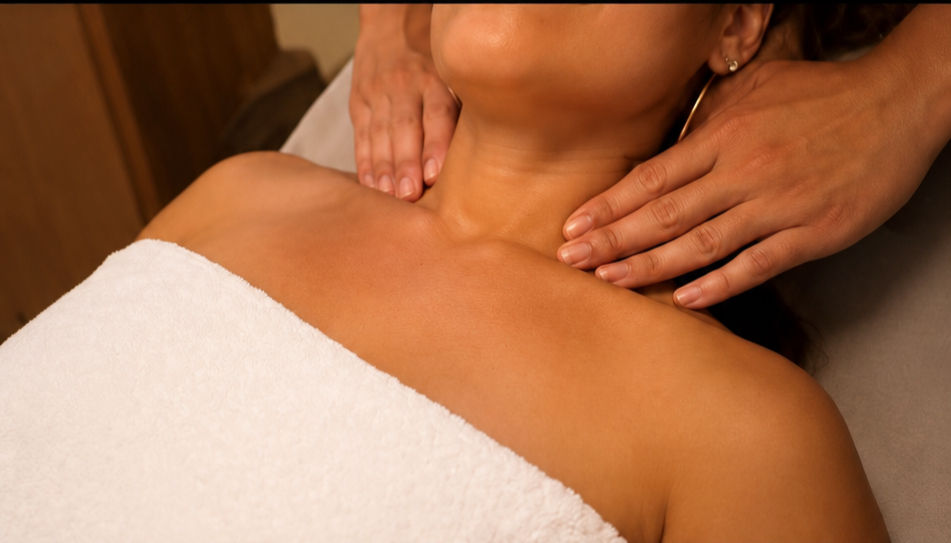
At Belliard’s, we approach skin health holistically, combining advanced treatments with nurturing care. Professional facials help stimulate the skin’s natural renewal process, creating an ideal environment for peptide activity.
How Our Facials Support Peptide Function
Our facials support peptide function by:
Improving circulation and oxygen flow
Encouraging healthy cell turnover
Supporting skin communication pathways
Enhancing product absorption
When paired with peptide-rich skincare, facials help amplify results, allowing the skin to respond more effectively and maintain balance over time.
Nano-Needling & Skin Communication
Our non-invasive nano-needling treatments gently stimulate the skin without creating injury. This process enhances skin signaling and supports peptide activity, helping improve texture, hydration, and overall skin vitality. Nano-needling is an excellent complement for guests seeking visible results while honoring the skin’s integrity.
A Holistic Approach to Aging Beautifully
At Belliard’s, we don’t believe in chasing youth — we believe in supporting the skin as it evolves. Peptides remind us that skin is intelligent. When given proper nourishment, intentional treatments, and mindful care, it responds with strength, glow, and resilience.
This philosophy reflects our commitment to holistic beauty, where wellness, skincare, and self-care work together in harmony.
The Role of Nutrition in Skincare
Nutrition plays a crucial role in maintaining healthy skin. A well-balanced diet rich in vitamins and minerals can enhance the skin's appearance and overall health. Foods high in antioxidants, such as berries, leafy greens, and nuts, can combat oxidative stress, which contributes to aging.
Hydration and Its Importance
Staying hydrated is essential for skin health. Water helps maintain skin elasticity and suppleness. Aim for at least eight glasses of water a day, and consider incorporating hydrating foods like cucumbers and watermelon into your diet.
The Mind-Body Connection
The connection between mind and body is vital for overall wellness. Stress can negatively impact skin health, leading to breakouts and dullness. Practices such as meditation, yoga, and deep breathing can help reduce stress levels and promote a healthy complexion.
Conclusion
In conclusion, embracing a holistic approach to skincare, nutrition, and self-care can significantly impact healthy aging. By understanding the role of peptides and the importance of nutrition, we can support our skin’s natural processes. At Belliard’s, we are dedicated to helping you achieve radiant skin through education, professional treatments, and mindful practices.
✨ Where Mind & Body Become One.


It is important to be able to find a trusted service provider to achieve quality results. In seeking Garage door repair chicopee, one is supposed to select a firm that is experienced, skilled and has a good reputation. The credible service provider will have clear pricing and provide effective solutions that meet your requirements.
Reviews and recommendations left by customers can assist you to find out reputable firms within your locality. The selection of a service providing emergency repair is also important because the issues with the garage door may happen any moment. A trained team will be fast in responding and make sure your door is put back to its working status without any unnecessary delays.
Conclusion
Garage doors…
I really appreciate how this article keeps everything simple and direct. The content is easy to understand, and the flow is smooth. It doesn’t feel confusing or overloaded with unnecessary information. Overall, a helpful and beginner-friendly article that provides real value.
Pushpa Club Login